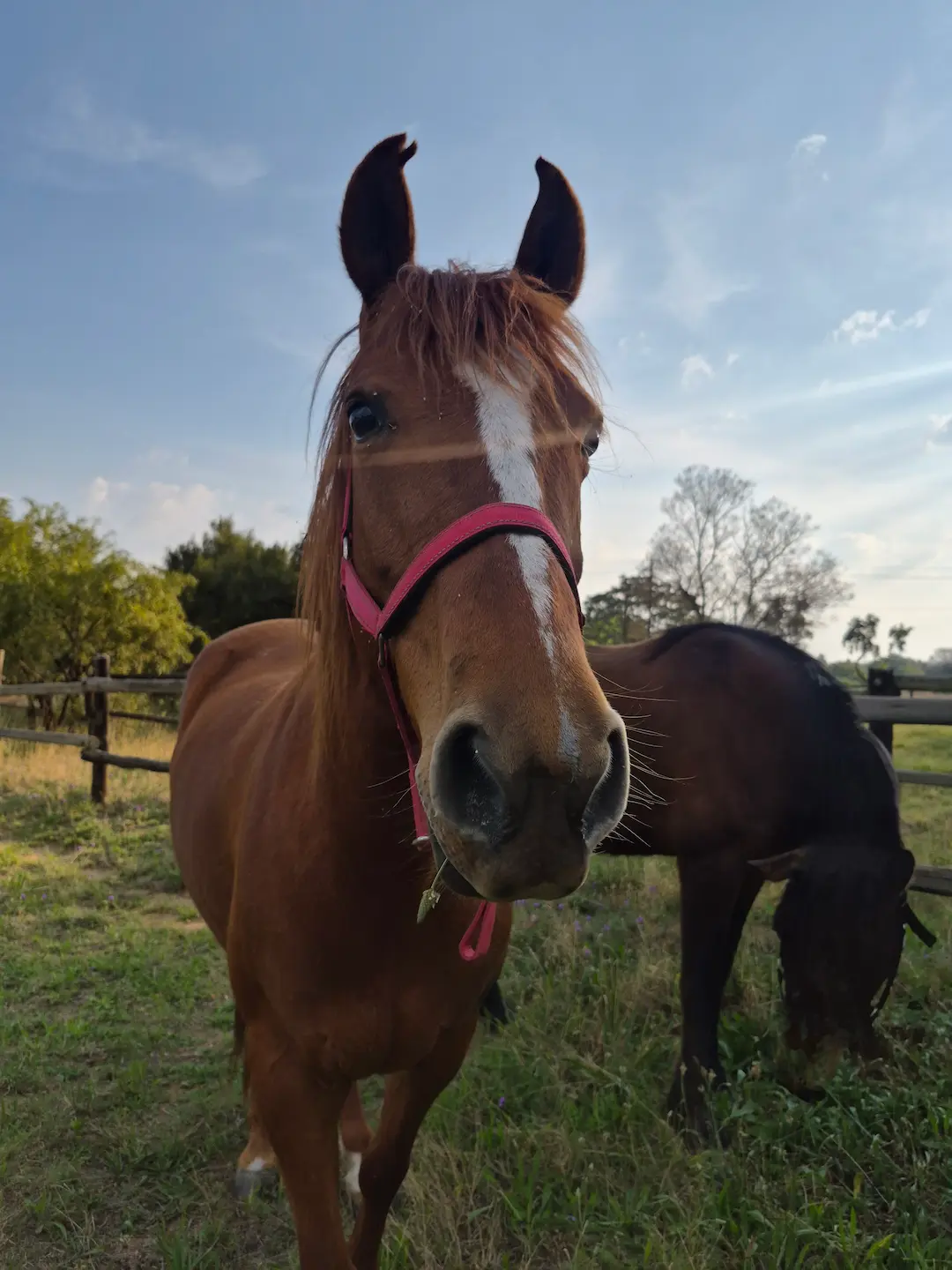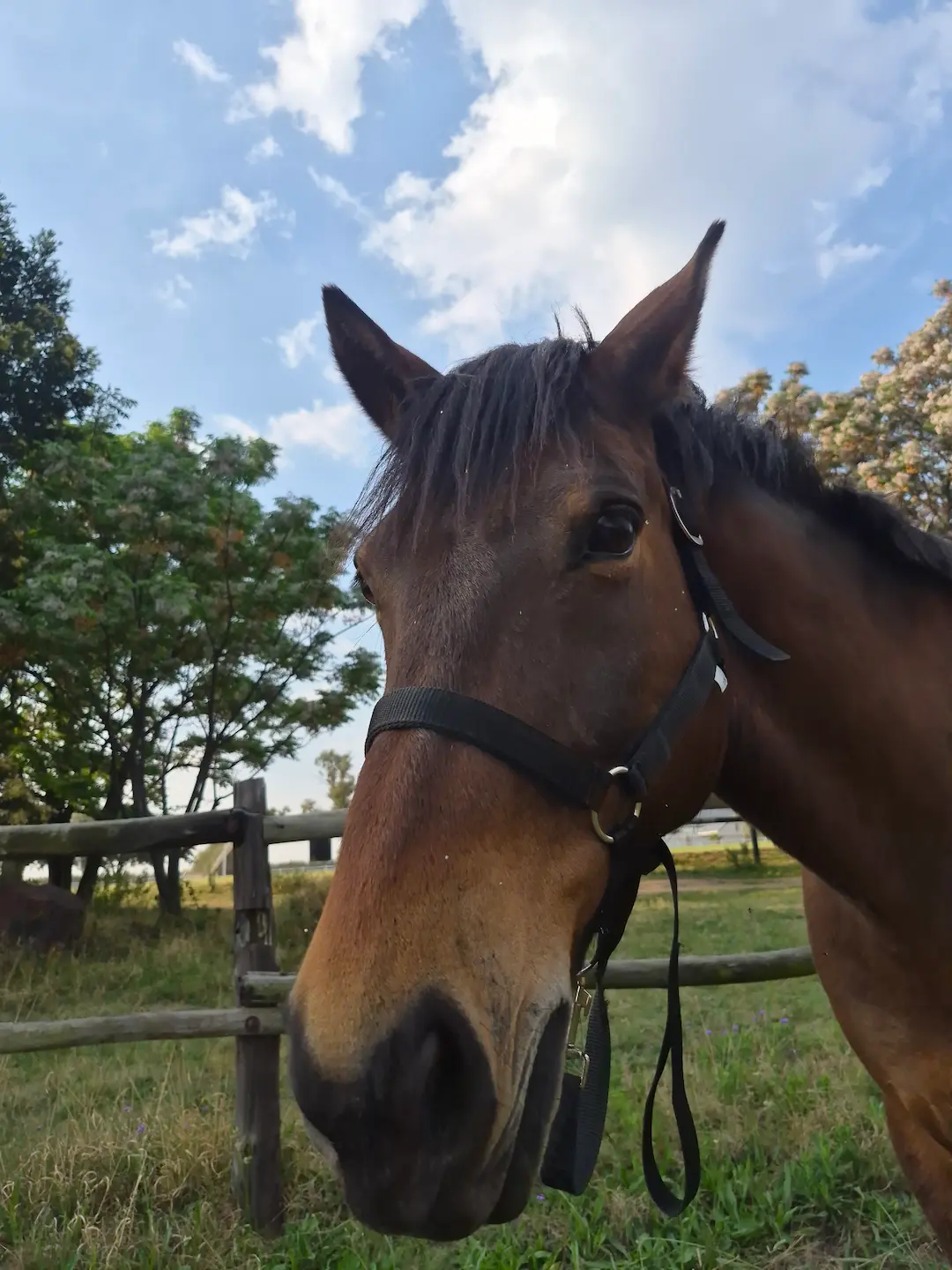
Working or being in an environment with horses is not always a joyous, easy or sunshine-filled occasion. Sometimes it can be terrifying or dangerous and completely unsafe. The basic knowledge anyone needs to know about horses is that they are naturally prey animals, which means their instinct is to always be cautious and aware of the environment around them and they are animals that naturally get spooked very easily. Generally in most cases, if a horse feels threatened, their direct instinct is to take flight instead of fighting, meaning they would rather run away and “escape” the danger than indulge and fight it head on. That is because they are prey animals.
However, in modern society where horses have been domesticated and are living and functionally living with humans, some horses dare to be opportunistic and take their chances in certain situations, especially when being trained or ridden. I would know because I have a horse (Da Vinci) who has proven to me he is one of those types of horses. Honestly, since adopting him and having had him arrive home, he has been somewhat of a “problem” horse. I love him to bits and pieces and I adore him to the moon and back, but that doesn’t mean I want him to take advantage of me or have him walk all over me.
Since I attempted lunging him at home, he had actually threatened to charge at me the first time. I stood my ground for the most part, until he started to come towards me at a fast pace with his ears flat back. That was sometime in July this year. He ended up genuinely scaring me and for a week after that, I struggled to be near him without fearing he would charge at me. Jean came through one time to try help me sort him out, but I still didn’t have the guts to try and lunge him myself.
Until the arrival of Trent, an experienced horseman who trains and helps other people with behavioral problems in their horses. Trent recently came by, about two weeks ago, and turned out to be very helpful. There is a YouTube video of what he taught me, the basic ground manners any horse needs to learn and understand, which you can find HERE.
Obviously as time went on after that horrendous incident, I felt more comfortable around Da Vinci to touch him and say hello, but there was always that residing fear in me that he could turn on me at any moment, which made me uncomfortable because I don’t want to be someone who is afraid of their own horse and who’s horse has authority over her. I already knew that that is not how it’s supposed to work. I am very thankful that I have never felt fear with Phantom, not once. But, every horse is different. And since Trent came through to assist, things have been going much smoother with Da Vinci and I am now able to lunge him by myself! And the best part is that he doesn’t even try his luck by turning towards me and looking at me expectantly before giving a small threat of charging.
Below will be the three key rules one can follow and instill in their horse to create healthy boundaries and respect from both sides. This is what I was taught for my horses, which works and genuinely makes a difference in my horses’ behaviour. Three very simple and easy manners to teach your horse which should be done for a couple of minutes each day to maintain consistency and to help them learn that that is the way it should be.
- Backwards Walking
This is the first and foremost sign of respect a horse can demonstrate to a human; is by allowing himself to walk backwards from a human while not being able to see behind him. Horses do not have owl vision but can generally see pretty clearly from in front and to the side, but not to the back. The way to do this is by having your horse on a halter, standing directly in front of you, and by jolting on his halter and walking forwards, whilst using a commanding tone to inform your horse to move backwards. This is also a pressure and release gesture which I shall explain in the next point. Once your horse has taken at least one step back, you can release the pressure you have on the halter as a sign to your horse that he did the right thing.
Because horses cannot see behind them, by urging them to move backwards, you are basically requesting a ton of trust from them to actually listen to you and go back. Doing this with Da Vinci has been extremely useful and valuable and really has changed his attitude towards me for the better. There is a mix of trust and respect you gain by doing this movement and allows for a healthy boundary and to let your horse know he cannot walk all over you. As long as you don’t take advantage of this movement by forcing them into dangerous situations, or forcing an obviously anxious horse or any other rare scenario, this can be safe and helpful for your horses who try charge at you.
- Pressure & Release
I briefly mentioned this in the paragraph above as this is the fundamental key for all and any type of horse training. Pressure and release is not complicated and is exactly what it sounds like. This was easier to explain on a video and visually on a YouTube video, which again, you can find here if you prefer, but I will do my best to briefly explain in writing.
The way to practice this is when your horse is on a halter (when working with horses they will always be on a halter) and you are standing directly in front of them, not too close, maybe the length of the lead rope, and you want to gently tug on the halter to urge them to come forwards. So essentially you are putting “pressure” on your horse until he understands to listen to the pressure. It is also probably much easier to understand when you try it for yourself. Once your horse has begun walking to you or has takena step or two, you release the pressure of the tug you have on your horse’s halter.
This is effective in many ways and gives them a basic understanding of ground work and manners so that even when it comes to riding, there is no confusion when your horse is under saddle and you are putting pressure on with your legs.
Practicing this for a few minutes every day is perfect to help your horse get closer to the understanding of what you want from him. This is a universal method and has been probably for a very long time. Even Jean taught me this a while ago and used this method as a way to teach Phantom about lunging and ground manners; essentially the best form of communication between yourself and your horse.
- Walking on a Halter
This one is important during any time and needs to be practiced often for both your safety and of your horse’s. This is where they learn to respect your personal space as well as to learn that you are “leader” of them and their herd. Honestly, Phantom struggles with this one, I have also been teaching her all these three key rules, as she is naturally a fast-paced, energetic and forward horse, and always wants to walk ahead of me; which is wrong. Da Vinci is the opposite as he is completely lazy and cannot be bothered to walk faster than he needs to.
This is practiced by simply walking with them on a halter, walking normally and then randomly stopping and seeing where they stop. It is important that they stop or at least learn to stop behind you. If their nose is past your shoulder when they stop, then you jolt the halter until they have taken a step or two back (just like in point one). This is easy and effective and most horses will easily catch onto this one. I have been doing it for a week with my horses and Phantom, my forward dragon, knows now to stop behind my shoulder and not when she feels like it, which is generally right in front of me.
And Da Vinci, well, he is lazy and does not need to be asked twice to stop at any given stage.
But this ensures that you are teaching them that you are the one in charge, that they must be alert and awake and look out for cues and signals you have taught them.
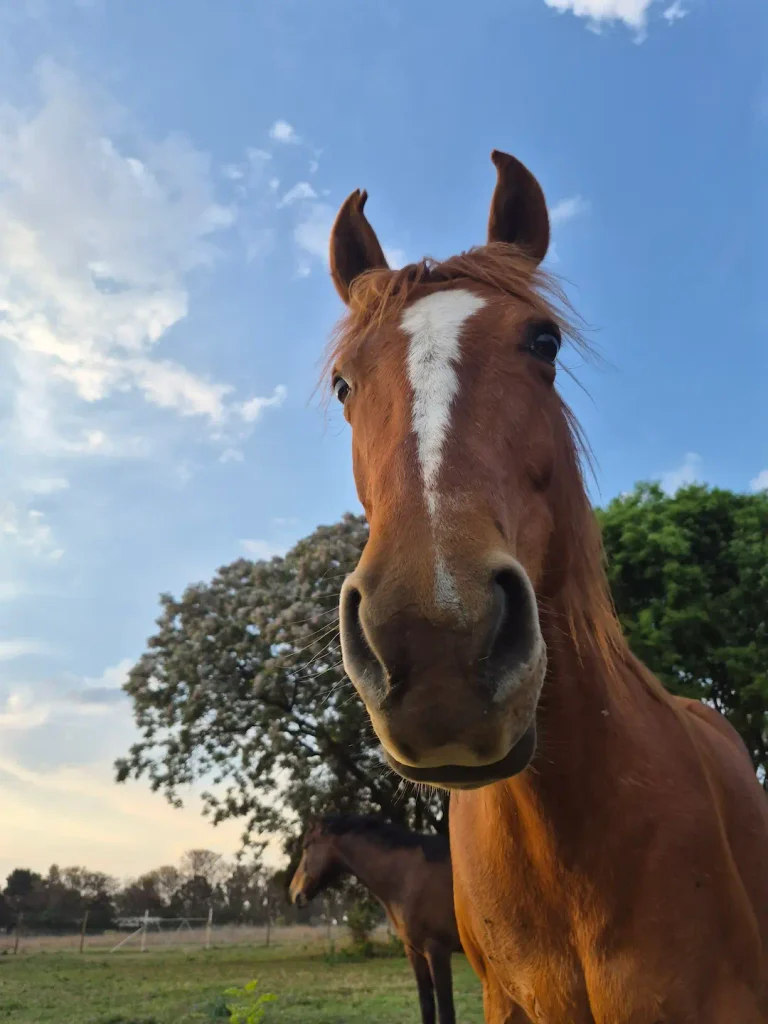
So those are the three that I have learnt, practiced and seen a difference, in both horses. I also recommend using a certain area for focused training, so that they know that when they are on the halter in a certain paddock or ring, they must focus on their training and pay attention; they know that it is time to work.
I hope you enjoy this and find this useful and I wish you all the luck with training your horses!